As NRA Meets, Killings of Teens In Queens And Eight Children in Shreveport Renew Urgent Calls For Action

This past week a pair of devastating incidents, one in New York City and another in Louisiana have once again placed a harsh spotlight on the ongoing crisis of gun violence involving children in the United States.
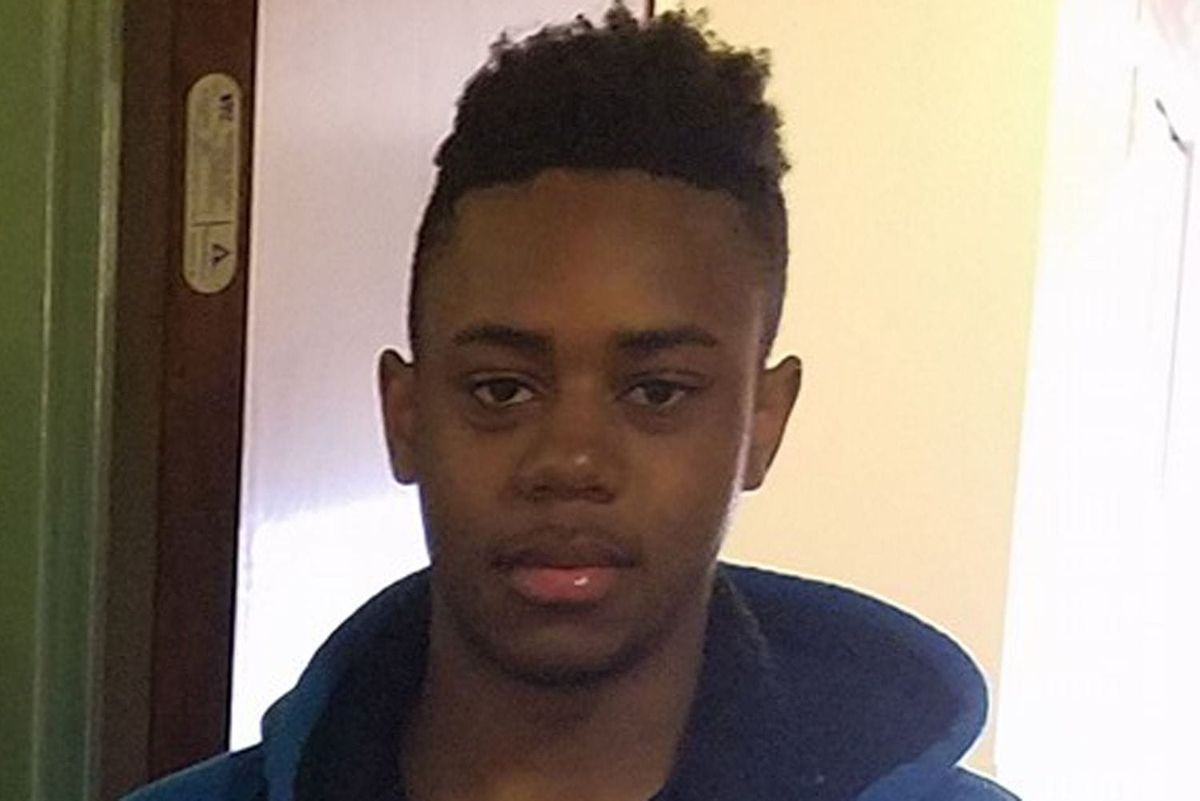
In Queens, 15-year-old Jaden Pierre was shot and killed during a dispute at a basketball court in St. Albans. Police say the shooting occurred in the early evening at historical Roy Wilkins Park, an area where superstar rappers 50 Cent and Nicki Minaj both hail from, where a large group of teenagers had gathered. Pierre was struck in the chest and later died at the nearby Jamaica hospital. Authorities have yet to make an arrest.
Just days later and hundreds of miles away, an even more horrifying tragedy unfolded in Shreveport, Louisiana. Eight children, ranging in age from 3 to 11, were killed in what authorities describe as a domestic mass shooting by their father. The gunman, identified as 31-year-old Shamar Elkins, killed seven of his own children and another child, in addition shooting both of the children's separate mothers before dying following a police chase.
The Shreveport massacre is now one of the deadliest incidents involving children in the U.S. in recent years and marks one of at least seven mass killings already recorded in 2026.
Community residents, politicians and the every day American are outraged surrounding the ongoing bloodshed involving young children. These incidents are a broader and deeply troubling trend.
Firearms remain the leading cause of death for children and teenagers in the United States, surpassing car accidents and other causes since 2020. Nearly 22,000 children died from firearms between 2014 and 2024. Youth gun violence has surged by 50% since 2019, specifically among black youth who face disproportionately higher rates of gun violence and death rates.
New York Attorney General Letitia James described Pierre’s killing as a “senseless act of gun violence,” while local officials and residents in Louisiana called the mass shooting “the worst tragedy” in recent memory.
The timing has only intensified the frustration. These killings occurred during the same weekend as a major convention held by the National Rifle Association, where gun rights remain a central focus of national debate. Simultaneously, Congress is engaged in discussions around expanding federal funding tied to military and defense priorities, highlighting a stark contrast between investment in global conflict and the ongoing violence at home.
From a basketball court in Queens to homes in Shreveport, the victims in both cases were children, trapped in environments that should have been safe.
For many communities, the question is no longer whether the system is broken, but how many more children will be lost before it changes. The next NRA convention should possibly introduce a new topic of discussion.