Algorithmic Chaos Dragged Jay-Z Into an Epstein Rumor That Never Existed

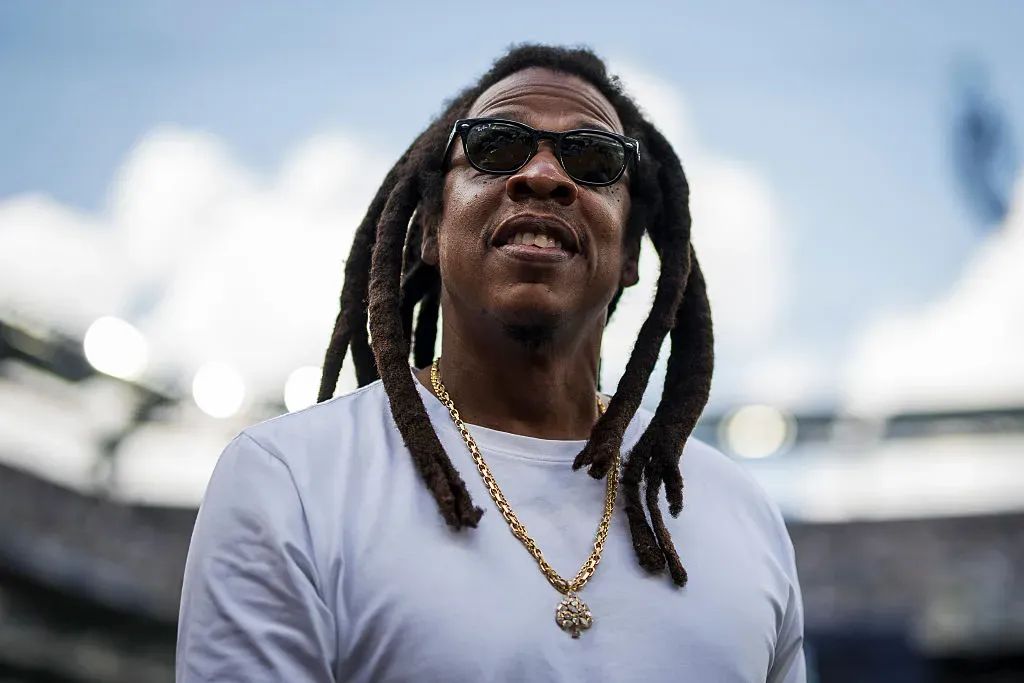
In the age of social media, the most powerful editor in the newsroom isn’t a journalist, it’s the algorithm. And this week, that algorithm did what it does best: take a fragment of speculation, amplify it across timelines and turn it into a full-blown narrative before anyone bothered to check if it was real. And the latest victim of that cycle was Jay-Z.
Recently Hov's name suddenly began circulating online in connection with documents tied to convicted sex offender Jeffrey Epstein. Posts spread across X, your popular YouTube channel of choice and social media suggesting the music mogul could somehow be called to testify or implicated in the ongoing discussion around Epstein’s files.
There’s just one problem. There is no credible evidence supporting that claim.
Yet the rumor moved with lightning speed after comments from controversial congresswoman Rep. Nancy Mace (R-S.C.), who along with others have been pushing for the full release of unredacted Epstein-related documents. In public statements calling for transparency, Mace argued that key materials tied to Epstein’s alleged associates remain hidden from the public and should be fully disclosed.
While her alleged push is part of a broader effort in Congress to pressure the Department of Justice to release full transparency tied to the Epstein investigation. But once that conversation reached the internet, nuance disappeared.
The Epstein records contain thousands of names, politicians, celebrities, executives and acquaintances who crossed paths with Epstein socially or professionally. Being mentioned in a document does not mean someone committed a crime. Yet in today’s viral ecosystem, context often collapses the moment a recognizable name enters the conversation. And that’s when the algorithm takes over.
Social media reward speed, outrage and engagement, not verification. Once Jay-Z’s name appeared in the same digital sentence as Epstein, the algorithm did the rest. In a matter of hours, a rumor had become a “story.”
Recently, DJ Vlad unintentionally demonstrated how easily misinformation spreads when he posted sarcastic tweets claiming Roc Nation was secretly paying him and a select few of others to push narratives around the case involving Tory Lanez. The claim was intentionally absurd, meant to mock conspiracy theories circulating online.
Within hours, the content creation wheel began to spin out of control and social media treated the posts as legitimate allegations against Jay-Z and Roc Nation. Only later did Vlad reveal the tweets were trolling, an experiment designed to show how quickly people would believe sensational claims without verifying them.
Longtime music-industry tensions have spilled into the conversation as well. Nicki Minaj who has continued on her full assault on Jay-Z and Roc Nation has increasingly mobilized her highly devoted Barbz fanbase alongside a growing group of politically aligned followers who overlap with MAGA communities online. Minaj’s social media activity has drawn support from some of those same circles, including a new friend in adviser to President Trump, Alex Bruesewitz, creating an unusual alliance between fan culture and political messaging.
For Jay-Z, the situation is also part of a larger pattern. Few figures in modern hip-hop carry the level of influence Jay-Z does, iconic artist, mogul, cultural architect. With that influence has come a steady stream of conspiracy theories and internet narratives that periodically attach themselves to his name. But the algorithm doesn’t care about scrutiny. It cares about engagement. And when a story includes a recognizable figure like Jay-Z, the engagement machine goes into overdrive.
Ironically, some of the same political voices now amplifying narratives around Jay-Z were recently attacking him for a completely different reason: the Super Bowl halftime show. Meanwhile, Bad Bunny’s halftime performance was a massive success with final Nielsen data showing an average of 125.6 million viewers across all platforms, making it one of the most-watched television events in U.S. history.
Urban culture has long relied on independent media to tell its stories accurately. But the modern media landscape where virality drives revenue and timelines move faster than fact-checking has made that mission harder. Because if we allow algorithms to dictate the truth, we’re not reporting the culture anymore. We’re just reacting to it.